
How to Choose a Basement Waterproofing Method in Niagara-on-the-Lake: A Comprehensive Guide
/Owning a home in Niagara-on-the-Lake is a privilege that comes with a deep sense of history and aesthetic beauty. From the Victorian architecture of Old Town to the modern custom builds nestled among the vineyards of Virgil and St. Davids, the real estate here is some of the most sought-after in Canada. However, the very geography that makes our region a lush agricultural paradise, with the proximity to Lake Ontario and the unique composition of the Niagara Escarpment, creates a persistent threat to residential foundations: water.
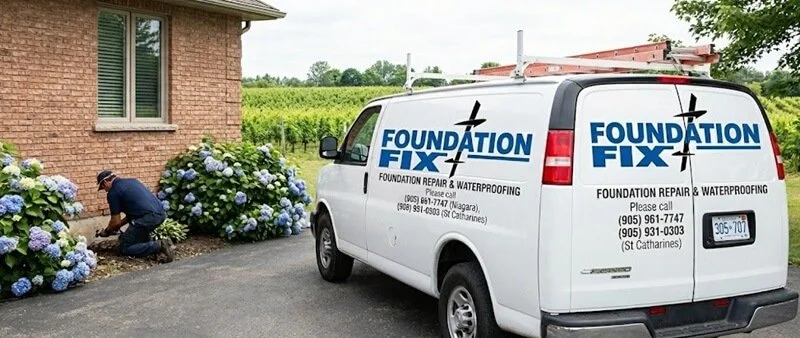
For many Niagara-on-the-Lake residents, a dry basement is not a guarantee; it is something that must be engineered. In this guide, we will explore the complexities of basement waterproofing in our specific climate and soil conditions, helping you make an informed decision to protect your home’s structural integrity and market value.
Understanding Basement Waterproofing
To choose the right method, one must first understand the enemy. In Niagara-on-the-Lake, we deal with a phenomenon known as hydrostatic pressure.
The Niagara Soil Profile
Our region is characterized by heavy, silty clay. Unlike sandy soils that allow water to drain away quickly, clay holds onto moisture. During the spring thaw or the heavy autumn rains typical of Southern Ontario, the soil surrounding your foundation becomes saturated. Because this water has nowhere to go, it exerts massive pressure against your basement walls. This pressure can force water through microscopic pores in concrete, widen existing hairline cracks, and even cause walls to bow inward over time.
The Objective of Waterproofing
Waterproofing is not merely about stopping a leak you can see; it is about managing the water you cannot see. A professional system aims to do three things:
Redirect surface water away from the structure.
Relieve the pressure of groundwater against the walls.
Provide a fail-safe interior management system for moisture that manages to bypass the exterior.
Exterior Waterproofing Methods
Exterior waterproofing is the most proactive and comprehensive approach. It is often referred to as "positive side" waterproofing because it stops water on the side of the wall where the pressure is being applied.
Excavation and Membrane Application
This is a labour-intensive process that involves excavating the soil around the entire perimeter of the home down to the footings. Once the foundation wall is exposed, it is cleaned and inspected.
The core of this method is the waterproof membrane. In our region, professionals typically use a multi-layer approach:
Bituminous Primers and Sprays: A liquid-applied coating that fills small cracks and pores.
Rubberized Membranes: A flexible, "self-healing" sheet that can stretch if the house settles, ensuring the seal remains intact.
Dimpled Drainage Boards: These high-density polyethylene sheets (like Delta-MS) feature a dimpled pattern. The dimples face the wall, creating a small air gap. If any moisture does get behind the board, it gravity-feeds down to the drainage system rather than sitting against the concrete.
Weeping Tile Installation
The "weeping tile" is actually a perforated pipe that sits at the base of your foundation. In many older Niagara homes, these were made of clay or concrete and have long since collapsed or become clogged with silt and tree roots.
Modern exterior waterproofing replaces these with perforated PVC pipes wrapped in a "filter sock" to prevent silt from entering. The pipe is then buried under a deep layer of 3/4-inch washed crushed stone. This stone acts as a massive filtration bed, allowing water to flow freely into the pipe and away from your home, either to a storm sewer or a sump pit.
Interior Waterproofing Methods
Interior waterproofing is often the preferred choice for homes in densely populated parts of Niagara-on-the-Lake where houses are built close together, or where expensive landscaping, porches, and additions make exterior excavation impossible.
Interior Sealants and Coatings
While often marketed as a DIY fix, professional-grade interior sealants involve high-pressure epoxy or polyurethane injections.
Epoxy Injections: Ideal for structural cracks. The epoxy hardens to a strength greater than the concrete itself, effectively "welding" the crack shut.
Polyurethane Injections: These are best for leaking cracks. The material expands when it hits moisture, filling the entire void of the crack through to the outside soil.
Sump Pump Installation and Internal Drainage
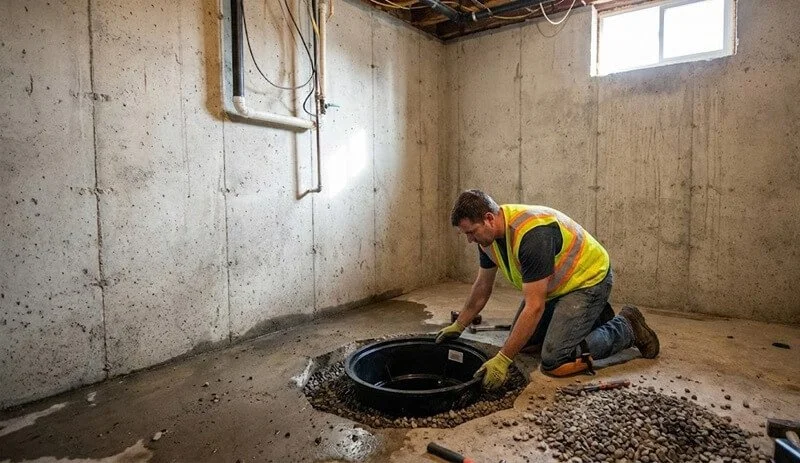
The most effective interior method is the installation of an Internal Perimeter Drain (often called an interior French drain).
Floor Breaking: A channel is jackhammered into the concrete floor around the perimeter.
Drain Tile Placement: A perforated pipe is laid in the channel and surrounded by gravel.
Wall Flashing: A plastic "dimple board" is tucked into the channel and extended up the wall. This ensures that if any water seeps through the wall, it is caught and directed into the under-floor drain.
The Sump Pit: The drain tile leads to a sump pit. A high-capacity pump then ejects the water out of the house to a safe discharge point.
Comparing Waterproofing Methods
Cost Analysis
Interior Systems: Generally cost between $60 and $150 per linear foot. For a standard basement, this might range from $4,000 to $10,000.
Exterior Systems: These are significantly more expensive due to the heavy machinery and labour required. Costs typically range from $200 to $500 per linear foot, with total project costs often exceeding $20,000–$30,000 for a full perimeter.
Effectiveness and Longevity
Exterior waterproofing is superior for the "health" of the foundation. By keeping the concrete dry, you prevent the rebar inside the concrete from rusting and prevent the concrete from undergoing the freeze-thaw damage common in Ontario winters. Interior systems, while excellent at keeping the basement floor dry, do nothing to protect the exterior of the wall from the elements.
Disruption and Logistics
Interior work is messy inside the house. You must remove drywall, flooring, and furniture. Exterior work is messy outside the house. You may lose your deck, your prize-winning rose bushes, or your interlock walkway during the process.
Factors to Consider When Choosing a Method
When deciding which path to take for your Niagara-on-the-Lake property, consider these four variables:
Foundation Type: Stone and mortar foundations (common in homes built before 1920) react differently to moisture than modern poured concrete. Stone foundations often need to breathe, making certain exterior membranes or interior drainage systems more appropriate than rigid sealants.
Water Table Height: If your home is near the lake or the Niagara River, you likely have a high water table. In these cases, a sump pump with a battery backup is non-negotiable, regardless of whether you waterproof from the inside or outside.
The "Clay Bowl" Effect: When a house is built, the "backfill" soil (the dirt put back around the foundation) is looser than the virgin soil around it. This creates a "bowl" that collects water. In Niagara's clay, this bowl becomes a pond. Exterior waterproofing is the only way to effectively break this cycle.
Permits and Zoning: Niagara-on-the-Lake has strict heritage and building codes. Always ensure your chosen method complies with local municipal bylaws.
Signs You Need Waterproofing
Early detection can save you tens of thousands of dollars in mould remediation and structural repairs.
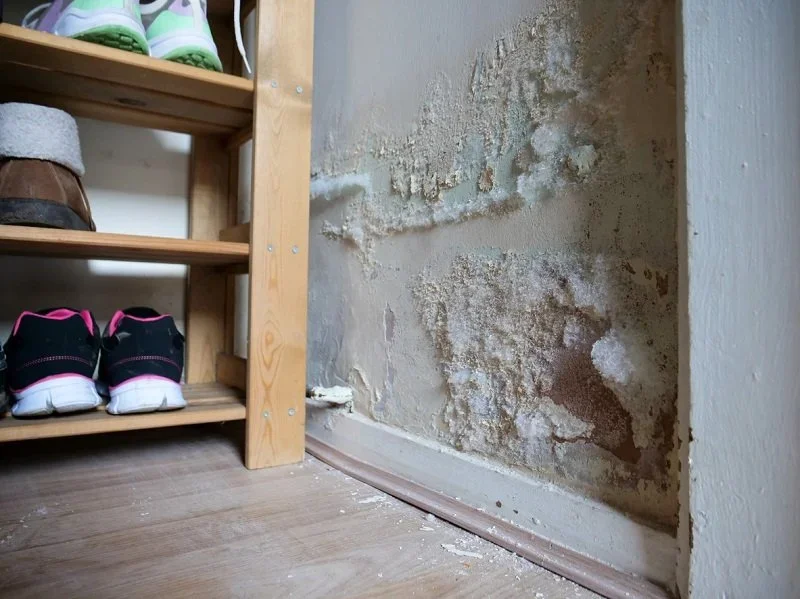
Efflorescence: If you see white, sparkling crystals on your basement walls, that is salt. It’s left behind when water evaporates through the concrete. It’s a "smoking gun" for moisture penetration.
Spalling: This is when the surface of the concrete starts to flake or peel off. It’s caused by moisture within the wall freezing and expanding.
Basement Humidity: If your dehumidifier is running 24/7 and still can't keep the air below 50% humidity, you have a moisture ingress problem.
Insects: Centipedes and sowbugs love damp environments. An uptick in "basement bugs" often points to damp foundation walls.
Choosing a Waterproofing Contractor in Niagara-on-the-Lake
Because of the high costs and technical requirements, you must vet your contractor thoroughly.
Look for Local References: Ask for homes they have worked on specifically in Niagara-on-the-Lake or St. Catharines.
Transferable Warranties: A 25-year or lifetime warranty that transfers to the next owner adds massive "peace of mind" value to your home.
Equipment Ownership: Does the contractor own their excavators and shoring equipment, or do they rent? Companies that own their gear are often more established and stable.
Consultative Approach: A good contractor won't just try to sell you the most expensive package. They will explain the science behind why they recommend interior vs. exterior for your specific lot.
Contact Foundation Fix Today
In Niagara-on-the-Lake, your home’s foundation is the only thing standing between you and the persistent moisture of the Golden Horseshoe. While the choice between interior and exterior waterproofing involves a complex balance of budget, disruption, and structural goals, the most important decision is simply to take action.
Ignoring a damp basement in a clay-heavy region like ours is a recipe for structural failure and diminished property value. By investing in professional waterproofing, you aren't just fixing a leak; you are preserving a piece of Niagara’s history and ensuring your home remains a safe, dry sanctuary for decades to come. Contact Foundation Fix today to ensure you are making the best decision for your home’s waterproofing.
Source: https://niagarafalls.ca/living/environment/wrap.aspx


